Kenya's Premiere Travel Agency


Wray Museum
The Wray Memorial museum is a historical building in the Sagalla area that has been converted into a museum and cultural center. This was an old church built over 108 years ago by Rev. Alfred Wray, a British Missionary. The objective of the museum is to preserve, protect and promote the heritage, culture, religious history and artifacts of the Sagalla people.
The Old St. Mark Church building is an example of simple roman architecture that employed both local and western building materials. It has five wooden doors fixed with glass on both side and one at the rear. That it has withstood the ravages of nature and neglect for so long exemplifies the high quality materials that were used as well as the good workmanship.

Sagalla Skulls Cave
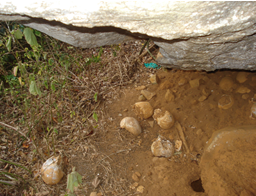
This site is situated about 150m east of the old St. Mark Church, at Mangula village. The burial site is one of many Taita burial caves that were used as shrines by the Sagalla people. It is believed that all the Taita groups that include the Dawida, Sagalla and Kasigau plus their neighbours, the Taveta, had a tradition of exhuming the skulls of the dead and keeping them inside caves located within hilly rock outcrops. The respective communities revered these sites and used them for purposes of worship.

Bura Catholic Mission
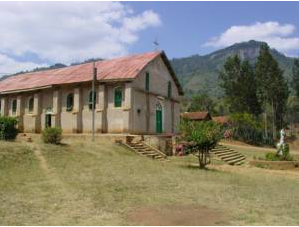
Established in 1892 by the ‘White Fathers’ from Alsace (then part of Germany) and was the first Catholic inland mission in British East Africa (now Kenya). During the First World War the Mission staff were interned in India and the Wajomba people who were originally freed slaves that originated in German East Africa who were the porters that carried the materials for the construction of the mission they were deported to Lamu.
The Mission Station was used as a hospital for Indian and African troops and porters.
Kenyatta Caves
Kenyatta Caves is located in Mwaguwi, Taita Taveta County. It is referred to as the Kino cave by the locals. The cave is home to several holy shrines of the Taita, some hidden in labyrinth of the cave that dot the hill. It served as one of the hideouts of Mzee Jomo Kenyatta and the Kapenguria Six at the height of the struggle for independence. Other celebrated figures said to have visited at the cave in the 1950s and 1960s were the late
Jaramogi Oginga Odinga,Tom Mboya,Bildad Kaggia, Achieng’ Oneko,Ronald Gala and Mr.Paul Ngei.
Its natural surrounding does not betray that it has been a venue for important meetings and intense negotiations. Some of the earthen pots and other utensils that were used to cook for the freedom fighters were taken away and preserved at the Kenya National Museums of Kenya Mombasa

Send this to a friend